If your commercial kitchen is the bustling heart of your business, then your rangehood system is arguably its lungs. It’s the tireless workhorse that captures smoke, grease, and airborne particles, keeping your operation running smoothly and safely. However, like any hard-working piece of equipment, it gets dirty. Over time, the build-up of grease and contaminants can transform a vital piece of machinery into a ticking time bomb—both for fire hazards and for your bottom line.
It might seem like a simple maintenance task, but commercial rangehood cleaning is anything but. It requires specialized knowledge, industrial-grade equipment, and a team that understands the unique regulatory landscape of Sydney's commercial food industry. If you’ve been wondering, "Who handles commercial rangehood cleaning in Inner West Sydney?", you've come to the right place. This guide will demystify the process, outline what to expect from a professional service, and help you ensure your kitchen remains compliant, safe, and spotless.
Why Commercial Rangehood Cleaning is Non-Negotiable for Sydney Businesses
Thinking that a quick wipe-down will suffice is like trying to extinguish a wildfire with a teacup. The grease and carbon buildup that accumulate in commercial kitchen systems are incredibly stubborn, acting like a greasy blanket over the entire ductwork. Ignoring this buildup doesn't just make the kitchen look bad; it poses genuine risks that can shut down your entire operation.
Health and Safety Hazards Beyond the Grease Trap
The primary concern with neglected rangehood systems is fire risk. Grease buildup isn't just visible grime; it’s a highly flammable, sticky substance that, when exposed to high heat, can ignite explosively. This isn't a theoretical risk; it's a documented safety hazard that local councils and insurance providers take very seriously.
Furthermore, the sheer amount of particulate matter trapped in the system can impact indoor air quality. A clean rangehood system ensures that the air leaving your kitchen is as clean as possible, which is vital for the health of your staff and patrons alike. Don't wait for an inspection or, worse, a fire alarm to sound. Shouldn't your kitchen operate with peace of mind?
Maintaining Operational Efficiency and Compliance
Beyond the existential threat of fire, a dirty rangehood system is a drain on your operational efficiency. Poorly functioning filters and ducts can restrict airflow, making your kitchen harder to run. Staff might struggle to work comfortably, and the kitchen might feel perpetually smoky, affecting the overall customer experience.
From a regulatory standpoint, compliance is king. Many commercial licenses require proof of routine, professional cleaning. If an inspector asks, "Who handles commercial rangehood cleaning in Inner West Sydney?", you need to be able to point to a documented, professional service. It’s not just about passing an inspection; it's about demonstrating that you are a responsible, compliant business.
Navigating the Selection Process: What to Look For in a Provider
Finding a reliable service is often the hardest part. The market can feel like a jungle, full of companies promising the world but delivering questionable results. When vetting potential providers, you must treat this selection like choosing a trusted contractor for your most valuable asset—your business continuity.
The Importance of Specialized Expertise and Certification
A general cleaning company might be able to scrub a tiled floor, but they are not equipped to handle the complex chemistry of commercial grease. You need a team that specializes in HVAC and kitchen exhaust systems.
Look for companies that provide:
- Industrial-Grade Equipment: They should use vacuum systems and extraction methods designed for heavy-duty grease removal, not residential steam cleaners. Chemical Expertise: They must know which degreasers are safe for the materials in your ductwork and which ones are best for cutting through years of carbon buildup. Safety Protocols: A professional service will always treat the job site as a potential hazard zone, ensuring proper safety gear and waste disposal.
Local Knowledge is a Game Changer
The phrase "local knowledge" is often dismissed, but in a technical service like this, it’s paramount. A provider who knows the specific zoning, council requirements, and common kitchen layouts within the Inner West Sydney area will save you time, money, and stress.
I recall a client who was initially quoted a massive price increase because their chosen service provider didn't understand the specific waste disposal requirements for their industrial zone. A locally knowledgeable service provider, however, preemptively accounted for these variables, saving the day. Choosing a provider who understands the heartbeat of Inner West Sydney’s commercial district is invaluable.
The Deep Dive: Understanding the Professional Cleaning Process
When More info you hire a professional service, the job isn't just about spraying cleaner and vacuuming. It's a multi-stage, systematic overhaul of the entire system.
What Actually Happens During a Commercial Clean
The process is meticulous and methodical. It generally involves:
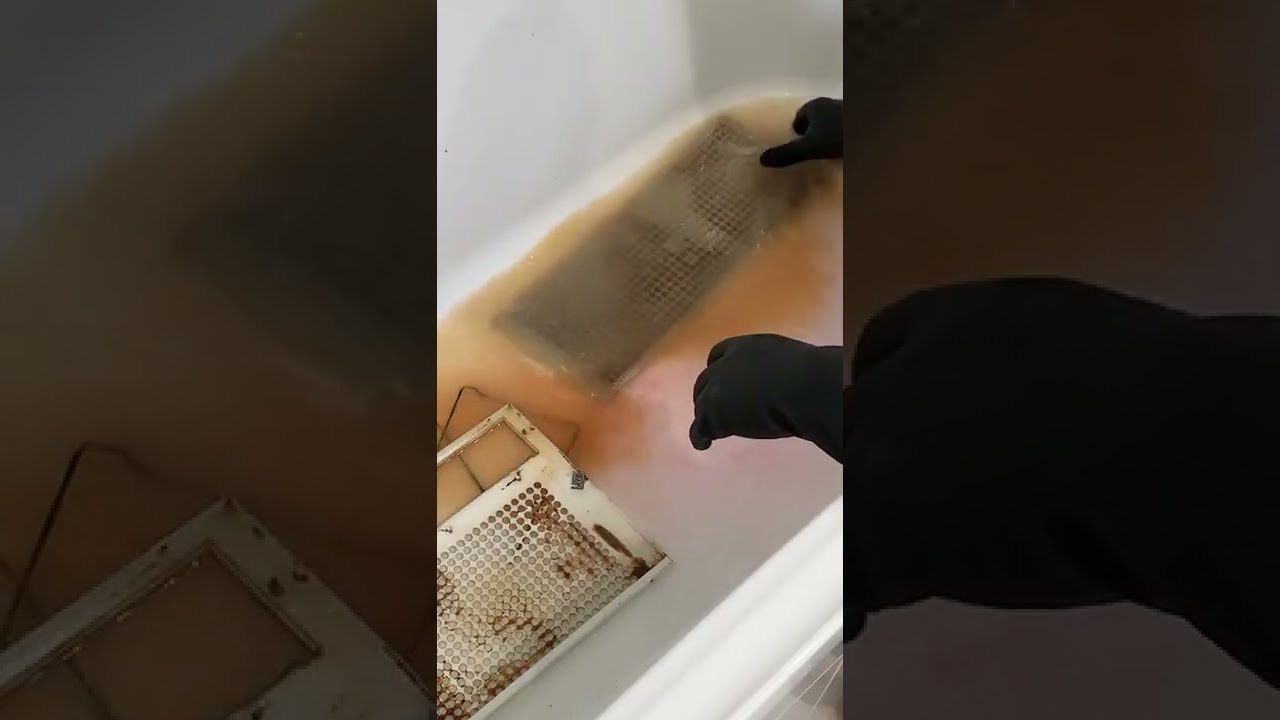
- Inspection: A thorough visual and physical check of the entire system, identifying areas of maximum buildup and potential structural weaknesses. Disassembly: The filters, hoods, and duct sections are carefully removed. This is crucial because you can't clean the system effectively if parts are still in place. Deep Cleaning: The components are taken to a specialized cleaning bay where they are subjected to high-pressure, chemical degreasing baths. Reassembly and Testing: The parts are cleaned, dried, and reassembled, followed by a performance test to ensure optimal airflow and functionality.
If you are concerned about the level of detail, remember that a reputable company will be transparent about the steps. They should explain why certain parts are removed and how the cleaning chemicals work.
Keeping the Cleanliness Momentum Going
The best cleaning service doesn't just clean; they educate. After the job is done, a good provider will give you actionable advice on preventing future buildup.

These simple preventative measures include:
- Staff Training: Ensuring kitchen staff know proper oil management and waste disposal. Routine Maintenance Schedule: Establishing a clear, agreed-upon schedule for deep cleans and filter changes. Monitoring: Teaching you how to spot early signs of restricted airflow or unusual smells, which can be early warning signs that the system needs attention.
Selecting Your Trusted Partner in Inner West Sydney
Choosing who handles commercial rangehood cleaning in Inner West Sydney? It requires more than just comparing prices. You are investing in safety, compliance, and the uninterrupted operation of your business.
When evaluating potential service providers, ask pointed questions. Do they provide written scope of work? Are their insurance details current? Can they provide references from other local businesses? A truly professional service will not hesitate to provide transparent, detailed answers.
Don't let the complexity of the process make you hesitant. Viewing professional cleaning as a necessary investment, rather than a mere expense, changes everything. By choosing a certified, local expert, you are not just cleaning a hood; you are safeguarding your livelihood and the safety of everyone who walks through your doors. Take the time to research, ask the tough questions, and ensure that your kitchen's vital air system is handled by the absolute best.
